
You finally arrive at your destination, excited for your trip—only to realize your accommodation isn’t what you expected. The space feels smaller, the neighborhood feels off, and suddenly, what looked perfect online becomes a daily inconvenience.
If this sounds familiar, you’re not alone. Many travelers unknowingly fall into the same traps when booking short-term rentals. The issue isn’t bad luck—it’s how we make decisions.
Let’s break down why we often end up choosing the wrong place to stay.
1. The Illusion of Photos
Photos are designed to sell—not to inform.
Most listings use professional photography, wide-angle lenses, and carefully staged interiors. That cozy studio? It might feel cramped in real life. That bright living room? It may only get natural light for one hour a day.
What you don’t see matters just as much:
- Street noise at night
- Construction nearby
- Poor ventilation or odors
- Thin walls and lack of privacy
Photos create a story—but it’s often an incomplete one. When we rely too heavily on visuals, we fill in the gaps with assumptions.
2. Prioritizing Price Over Experience
Everyone loves a good deal. But when it comes to accommodation, cheaper isn’t always better—it’s often just cheaper upfront.
A lower price can come with hidden trade-offs:
- Longer commute times
- Lower-quality amenities
- Less comfort or cleanliness
- Increased stress during your stay
The real cost isn’t just what you pay—it’s how your experience is affected.
Think of it this way: your accommodation isn’t just a place to sleep. It shapes your entire trip. Saving a few dollars upfront can cost you far more in convenience and enjoyment.
3. Ignoring Location Context
“Great location” is one of the most misleading phrases in listings.
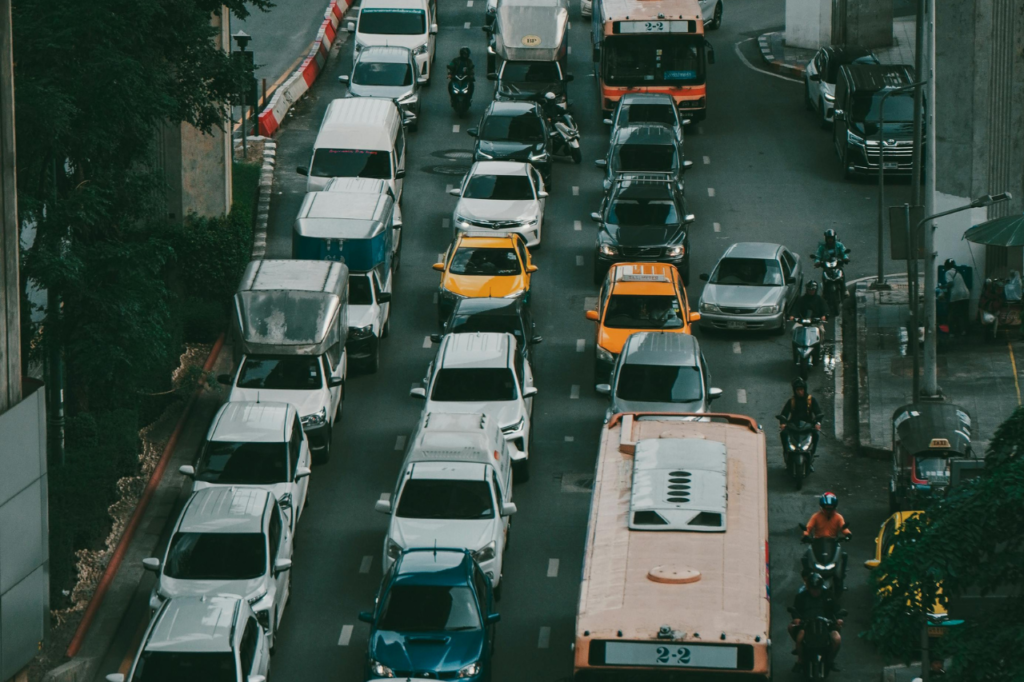
A place might be technically “near” popular spots—but what does that really mean? A 10-minute drive could turn into a 40-minute commute during peak hours. A central area might be noisy or overcrowded. A quiet neighborhood might feel isolated or unsafe at night.
Many travelers focus on distance—but ignore context:
- Is it walkable?
- Is public transport accessible?
- What’s the neighborhood like after dark?
- Are there nearby essentials like food and stores?
Location isn’t just geography—it’s experience. And it can make or break your stay.

How to Choose Better Next Time
Avoiding the wrong place to stay doesn’t require luck—it requires a better process.
Here’s a simple checklist before booking:
- Read recent reviews carefully (look for patterns, not just ratings)
- Check maps, not just descriptions
- Search the area on street view
- Look for unedited guest photos
- Prioritize comfort and convenience over price
Most importantly, ask yourself:
“Will this place make my trip easier—or harder?”
That one question can save you from a disappointing stay.
Conclusion
Choosing the wrong place to stay isn’t random—it’s predictable. We trust photos too much, chase low prices, and overlook location details.
The good news? Once you recognize these patterns, you can avoid them.
Travel isn’t just about where you go—it’s about how you experience it. And the right place to stay can make all the difference.
Next time you book, don’t just choose what looks good—choose what feels right for your trip.